What happens when 460 educators from around the world come together to explore Education for Sustainability?
We recently had the pleasure of delivering “Educating for Sustainability: Key Concepts and Strategies,” a webinar hosted by Oxford University Press and facilitated by Jaimie P. Cloud.
The session explored key concepts and practical strategies for bringing sustainability into everyday teaching and learning, encouraging educators to embrace curiosity, ask meaningful questions, and create opportunities for students to think critically about the world around them.
What Educators Are Saying
We were delighted by the thoughtful feedback from participants, particularly their willingness to rethink familiar approaches and explore new possibilities.
Here are a few reflections that stood out:
“We talked about allowing students to ask questions we might not know/have answers to. This is a territory I haven't ventured yet, but I'm willing to attempt it.”
“I'll be brave and invite more questions from students.”
“How the trainer communicated, and the part where we had to ask questions, brought out thoughts in people's minds, which was brilliant.”
And one reflection beautifully captured why this work matters:
“Thank you for an insightful and inspiring session. It was a valuable reminder that education for sustainability begins with the everyday choices we make as educators and the values we nurture in our students.”
We are grateful to all 460 participants for their engagement, curiosity, and commitment to bringing Education for Sustainability into their classrooms.
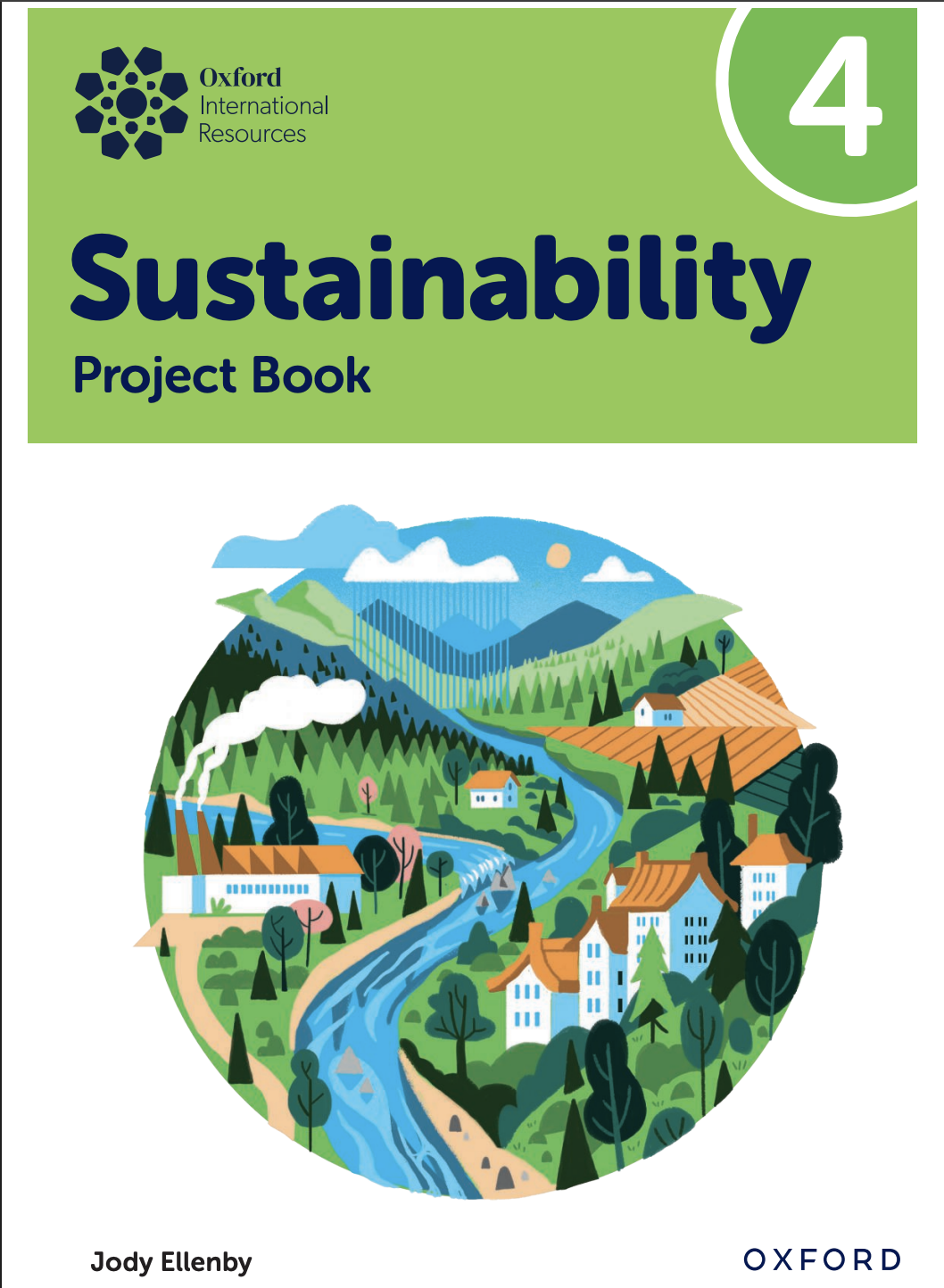
The Oxford International Curriculum for Sustainability Continues to Grow!
The Oxford International Curriculum for Sustainability is reaching educators and students around the world!
Developed through a collaboration between Oxford University Press and the Cloud Institute, this innovative series offers project-based learning experiences that help students understand their relationships with the world, take responsibility for the difference they make, and become agents of change.
The curriculum is organized around three interconnected strands:
Living on Planet Earth
Taking Responsibility for the Difference We Make
Making Change
With nine Project Books, nine Teacher's Guides, and accompanying professional learning opportunities, the series is designed to help educators make sustainability an integral part of teaching and learning.
We are thrilled to see the growing interest in the series and the encouraging feedback from educators engaging with its ideas and resources.