Reading About the Future While Teaching Children in the Present: A Review of Response-Able by Arush Hashmi
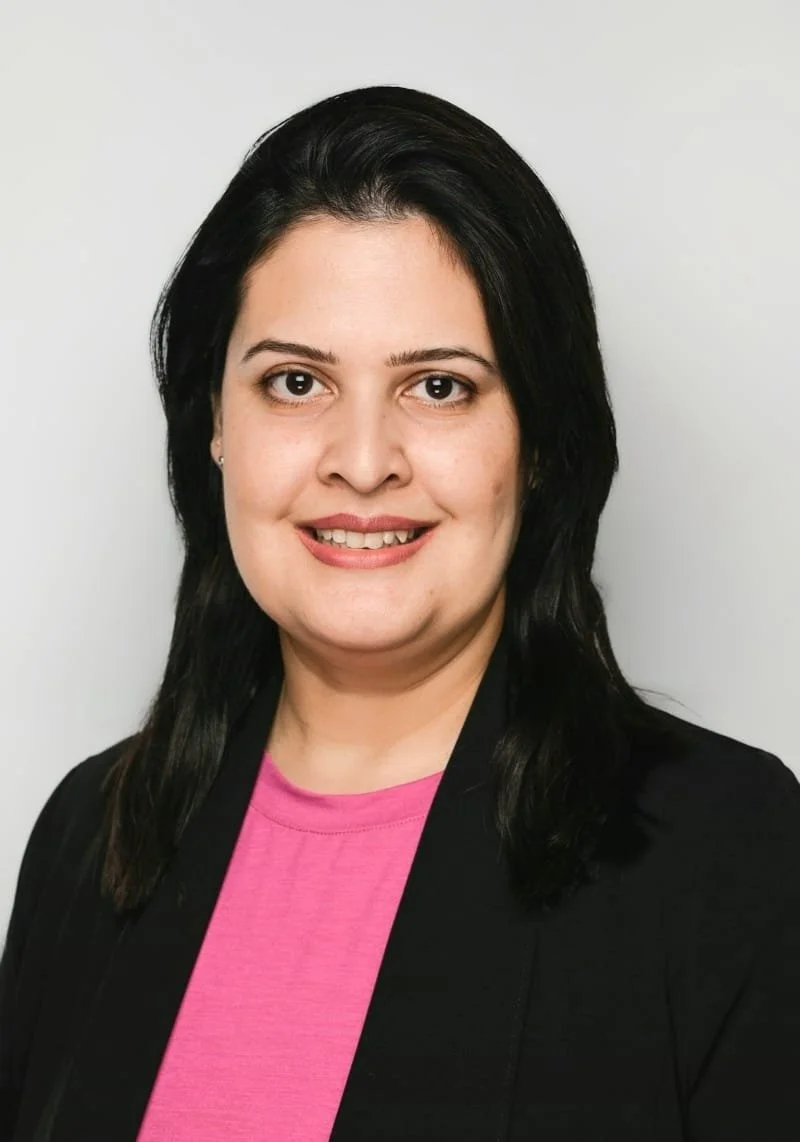
Arush Hashmi is a primary educator in Dubai, UAE, with interests in sustainability, systems thinking, inquiry-based learning, and curriculum design. She is passionate about helping children think deeply about responsibility, interconnectedness, and the future they are helping shape.
See her blog Learn with Arush for more wonderful reflections on sustainability and education
A little something from the heart… as I just finished reading Jaimie Cloud’s Response-Able.
I do not think this book simply gave me answers. More than anything, it left me reflecting on education, systems, responsibility, and the kinds of worldviews we may be shaping in schools every day. What follows are just some of the many ideas and questions I found myself sitting with while reading.
“Now It’s Your Turn”
As educators, we often use the gradual release model with students: I do, we do, you do. And in many ways, the book itself felt like that. Jaimie shares decades of learning, reflection, systems thinking, and work in sustainability education, and then almost gently hands the responsibility over to the reader:
Now it’s your turn.
Throughout the book, the author emphasises finding your compelling purpose, setting intention, reflecting deeply, and moving beyond simply taking responsibility toward becoming response-able — “the ability to respond wisely and take thoughtful action.”
But then how do we build that capacity? Again and again, the book returns to schools as a powerful leverage point — places where ways of thinking, habits of mind, and even worldviews are continuously being shaped.
“Holding the Two Ends Together”
The image that stayed with me most while reading the book was the analogy of a stretched rubber band. One end represents current reality, while the other represents the vision we hold for the future. The challenge is learning how to hold both ends together without losing sight of the vision. As the book says, “The tension is used to create the future you want.”
But then my teacher brain immediately went to: How do I teach this to my students? How do we help children hold both reality and hope together? How do we help them DREAM, IMAGINE, and IDEALISE… while also understanding the realities of the world around them?
Perhaps part of education is helping children understand that the future is not something fixed that simply happens to them, but something they can participate in shaping. Maybe that is why moments of inquiry, voice, and shared responsibility in classrooms matter so deeply.
I found myself thinking about Jane Addams and her idealism. I was inspired by her willingness to dream of a better society and work toward it with both courage and care. Maybe she was not perfect in every idea, but there was something powerful in her belief that education and human effort could move society toward something better. And she played her part and influenced many.
Idealism in education may still matter deeply because that is what moves us toward possibility — toward what the book calls the “toward state.” As the book says: “It’s not what the vision is, but what it does.”
“Naming the Mental Models”
We often think about actions when it comes to sustainability, but what felt unique in this book was the naming of the mental models behind unsustainability itself and helping the reader understand why Education for Sustainability matters in the first place - addressing problems at the roots rather than simply reacting to symptoms. And perhaps much of sustainability work is really about helping students rethink the ways we often define ideas like progress, success, growth, community, and even humanity’s relationship with the planet and each other.
Naming them makes them visible. The book quotes Donella Meadows:
“Make mental models visible like light of the day.”
In schools, we often use phrases like “name it to tame it” when helping children understand feelings, frustrations, and emotions so they can channel them in positive ways. While reading this section, I found myself thinking about that phrase again. Perhaps once something becomes visible, it becomes harder to ignore.
“What Kind of Thinkers Are We Creating?”
As educators, we often spend a great deal of time thinking about what students should know, understand, and do. But while reading this book, I kept returning to something deeper: What kinds of thinkers are we helping create?
What assumptions about the world quietly sit beneath our teaching? What ideas about competition, success, growth, responsibility, or community are students absorbing, not only through what we explicitly teach, but through the systems, structures, relationships, and experiences we create around them?
And perhaps this is where Education for Sustainability feels different. It is not simply about adding environmental topics into curriculum, but about helping students think more systemically, relationally, and responsibly about the world around them.
It reminded me of classroom conversations around everyday stationery use, where students slowly began moving beyond simply “not wasting supplies” toward ideas of shared responsibility, collective impact, stewardship, and the understanding that even small actions shape the systems and environments around us. (Here is a link to the project.)
At some point, this starts feeling less like curriculum design alone and more like thinking design: intentionally designing learning experiences that shape not only knowledge, but ways of seeing, relating to, and responding to the world.
“We Are All in This Together”
As I continued reflecting on the book, I started thinking differently about even small classroom systems and teaching moments.
For example, in our classroom we have a reward system called “Race to 100.” The goal is not for one child to independently do the right thing while others struggle. The class only reaches the goal if everyone contributes through focused work, kindness, independence, responsibility, helping others, tidying the classroom, encouraging classmates, or reading to younger students.
And when a few students are struggling, then comes the teaching moment:
“We are all in this together.”
“Everything we do - and do not do - makes a difference.”
Perhaps part of sustainability education is helping students move beyond seeing themselves as isolated individuals and instead recognise the interconnectedness between people, actions, systems, and the world around them.
“Fear Can Start Action — But Love Sustains It”
The book also highlights how people often learn better in less threatening situations. That made me reflect on how educators create spaces where students and even adults feel safe to question assumptions, rethink habits, and see things differently.
And then came one line that stayed with me:
“Fear can start action — but love sustains it.”
That immediately brought me back to conversations with one of my mentors around the “Overview Effect” described as “the profound cognitive shift astronauts describe when viewing Earth from space: a feeling of awe, deep connection to humanity, and appreciation of the fragility of our planet.”
Maybe sustainable action cannot be sustained by fear alone. Maybe it must also come from care, connection, responsibility, and love.
As I finished the book, I realised I was not simply reading about sustainability. I was reflecting on education, systems, curriculum, children, responsibility, and the kinds of mental models schools quietly nurture every day.
And perhaps that is the deeper work in education: not only helping students learn about the world, but helping them learn how to see themselves in relationship with it and with each other.